Coming Soon
Coming Soon
Coming Soon


The Threshold
The Place
Lago Sandoval, Tambopata National Reserve
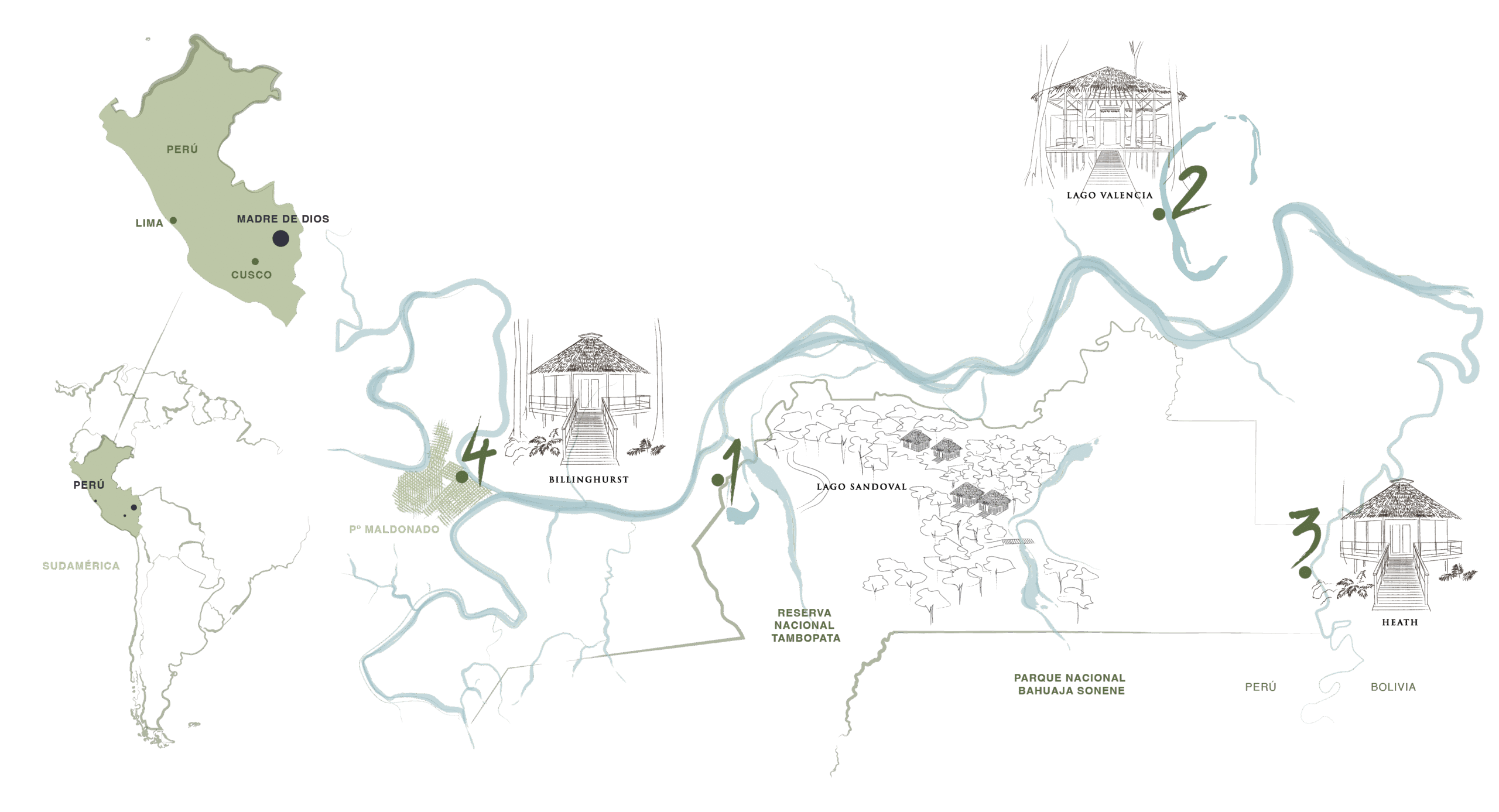
Accessible only by river and foot, Lago Sandoval lies at the heart of one of the Amazon’s most pristine protected areas. Its calm oxbow waters, fringed by palm forests, offer a privileged, easy access to one of Peru’s richest ecosystems — a landscape largely untouched by modern development.
Life All Around
A Living Sanctuary
of Biodiversity
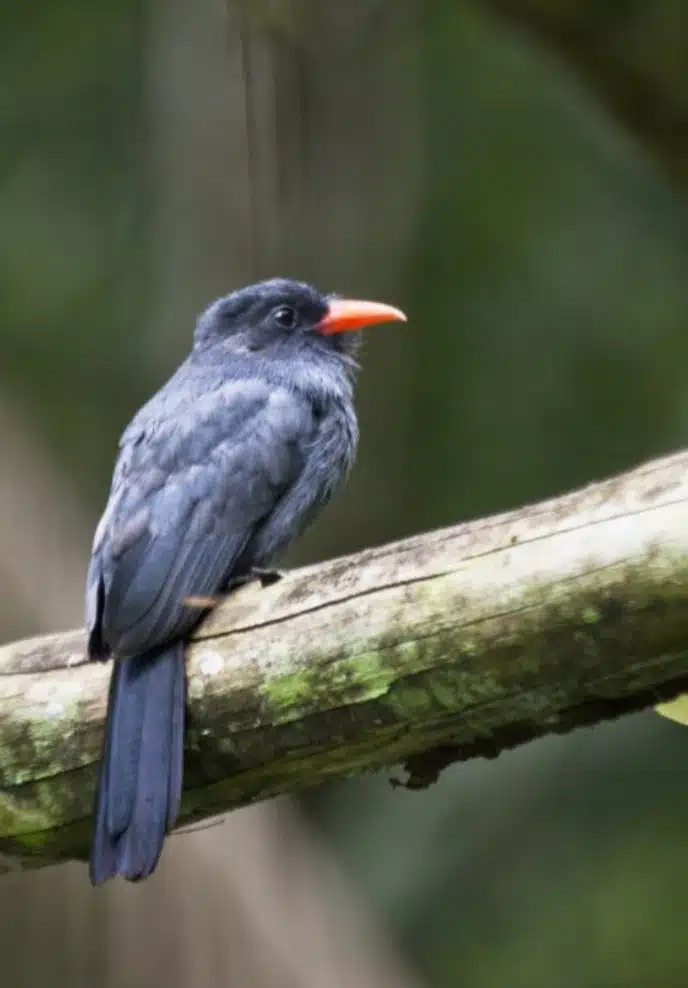
This Outpost is surrounded by vibrant life: giant river otters glide through the lake, black caimans bask along the shore, and red howler monkeys echo through the canopy. Over 500 bird species — including scarlet macaws and hoatzins — make this area one of the most rewarding birdwatching sites in the Amazon basin.
A Model of Presence
Low-Impact Design, High-Value Protection
The Lago Sandoval Outpost will embody elemental hospitality: refined yet minimal, open to nature yet sheltered from it. Its presence is not just physical — it represents a commitment to protect this region by making it economically and culturally valuable through responsible tourism. Every guest becomes part of the preservation effort, such as a park ranger.
Local Voices,
Shared Futures
Community and Conservation Intertwined
This first Outpost will create new opportunities for local communities — from employment and training to co-stewardship of biodiversity. With the guidance of local experts and researchers, the project strengthens regional identity while offering alternatives to extractive and often illegal activities. It’s not a place to visit, but a future to create together.
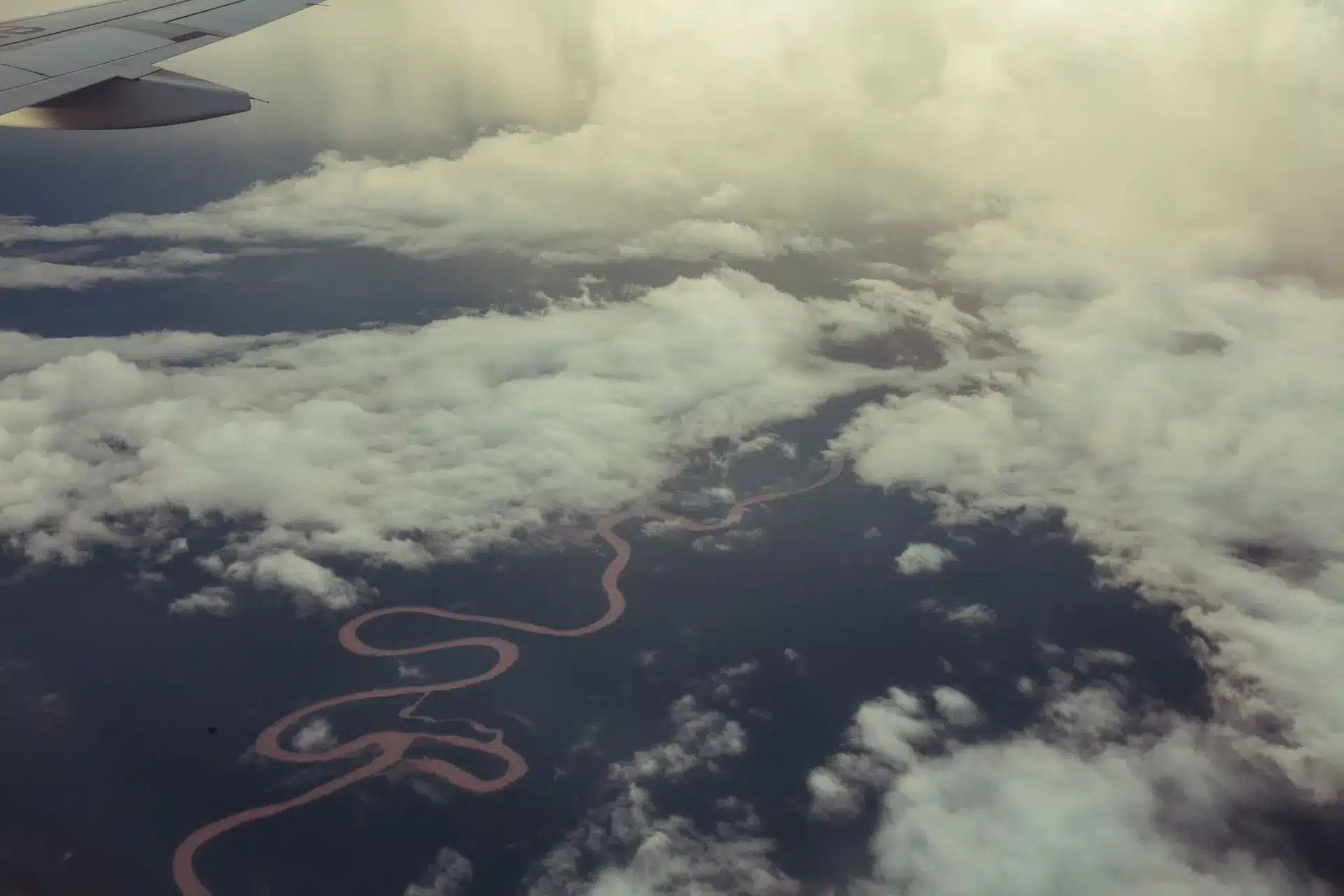
Madre de Dios is one of the most biodiverse — and endangered — regions on Earth. Straddling the Amazon basin, its forests are vital corridors for wildlife and rich in endemic species, yet heavily impacted by illegal mining and deforestation. Outpost is designed to restore ecological connectivity through a series of strategic lodges, creating a green corridor that safeguards biodiversity while offering local communities sustainable alternatives rooted in conservation, research, and long-term opportunity.
Future projects


Legacy

Denise & José Koechlin
Biography
José Koechlin, a pioneer of ecotourism in Peru since 1975, founded Inkaterra with the brand’s first Amazon lodge in Madre de Dios, proving that tourism and conservation can thrive together.
Inkaterra’s spirit was shaped by Denise Guislain, an award-winning visionary for architecture and design, passionate about beauty in all its forms. Her presence infused each property with warmth and character, turning remote places into welcoming homes.
Together, Denise and José created a model that blends hospitality, elegance, and environmental commitment. More than a hotel brand, Inkaterra stands as their legacy of passion and harmony with nature.
Science
Pioneering Biodiversity Research
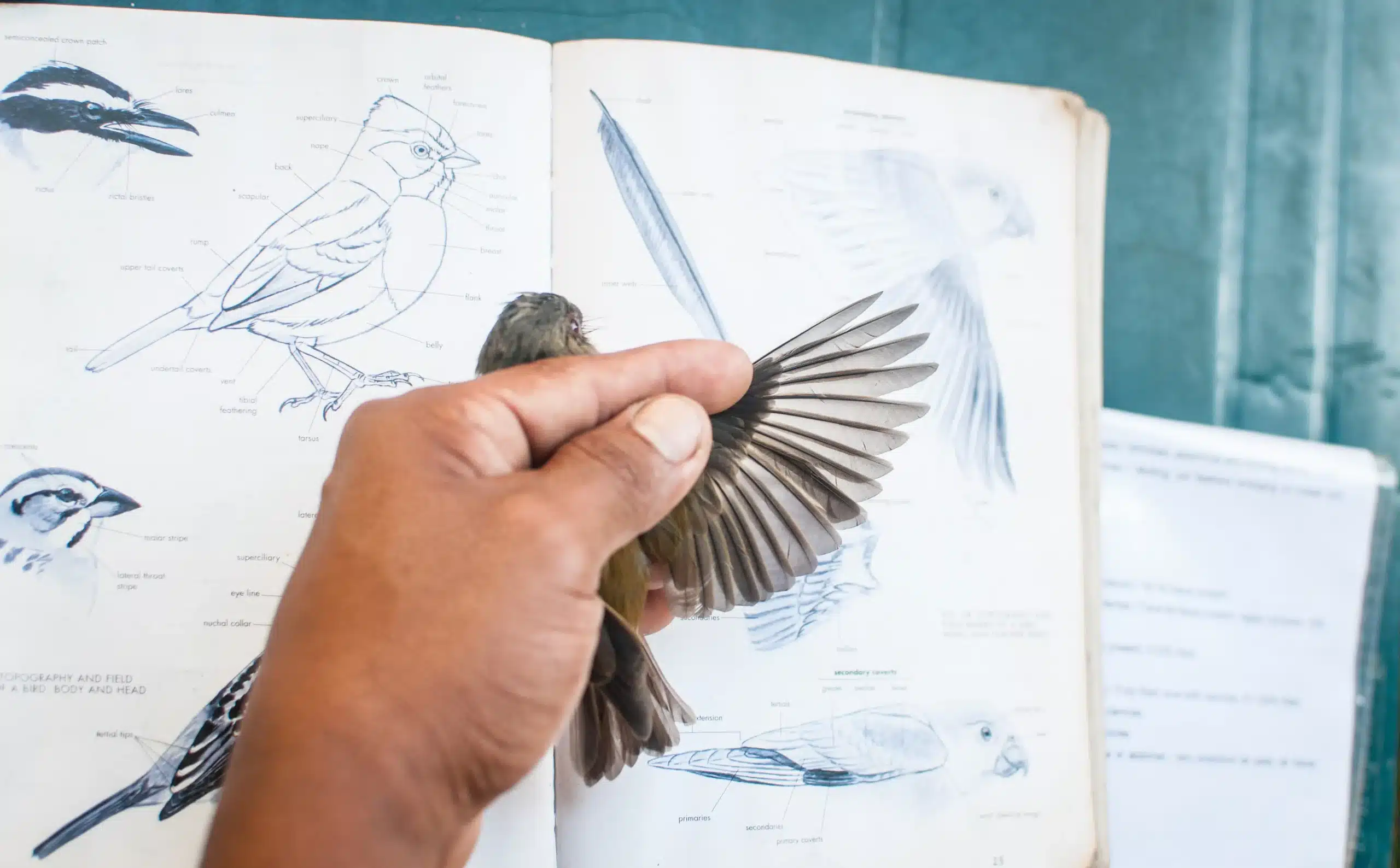
Since 1975, Inkaterra has been at the forefront of ecotourism and sustainable development in Peru. The organization has led over 4100 scientific studies and biodiversity inventories in Peru’s most sensitive ecosystems. With more than 29 species new to science discovered at Inkaterra grounds, and partnerships with institutions like the Smithsonian Institution and National Geographic, Inkaterra’s data has become a global benchmark for conservation science.
Conservation
Restoring Ecosystems at Scale
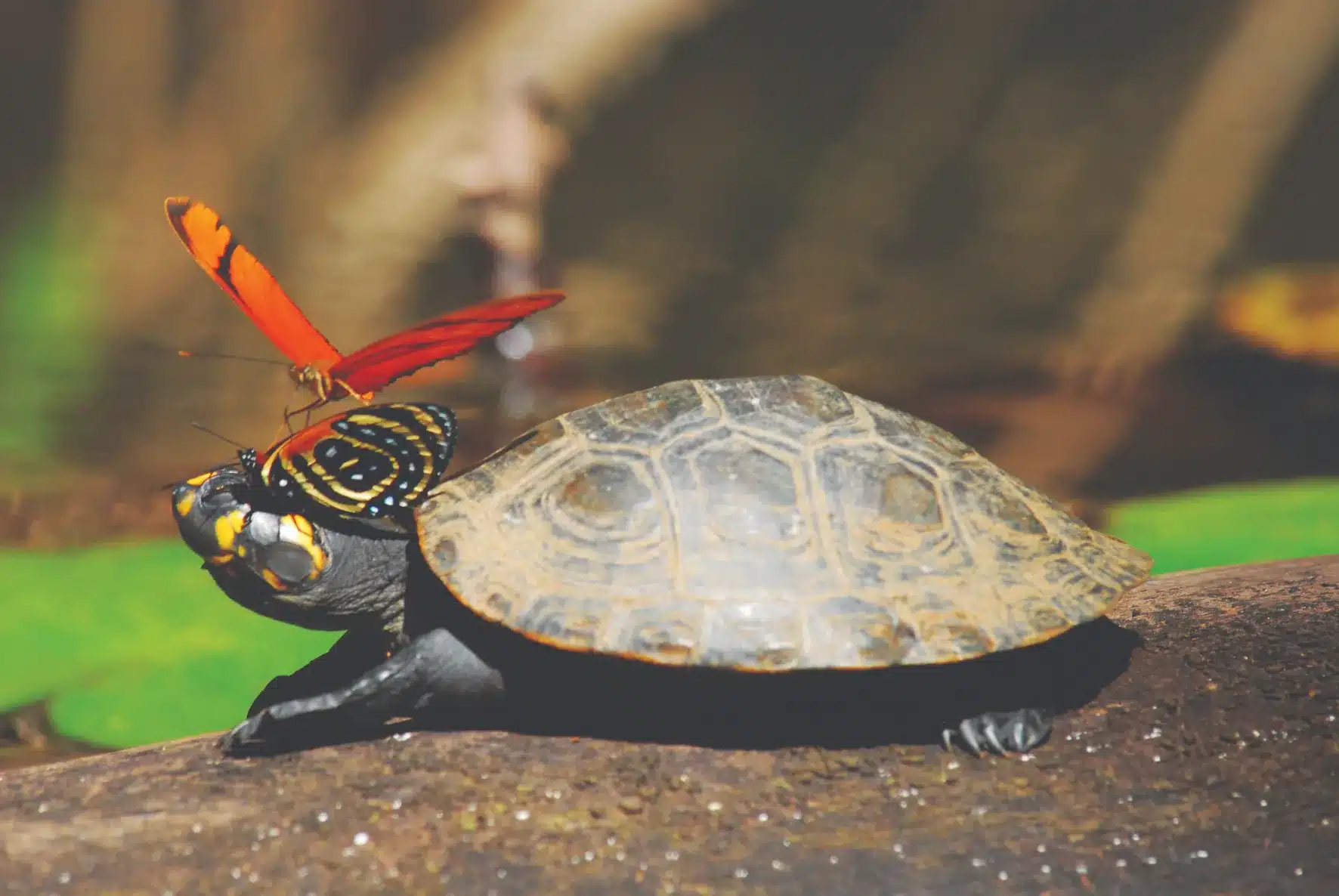
From cloud forests to rainforest corridors, Inkaterra has restored thousands of hectares of degraded land, introduced climate-positive practices, and helped designate protected areas. Its efforts in Madre de Dios and Machu Picchu have turned threatened regions into global models of sustainability.
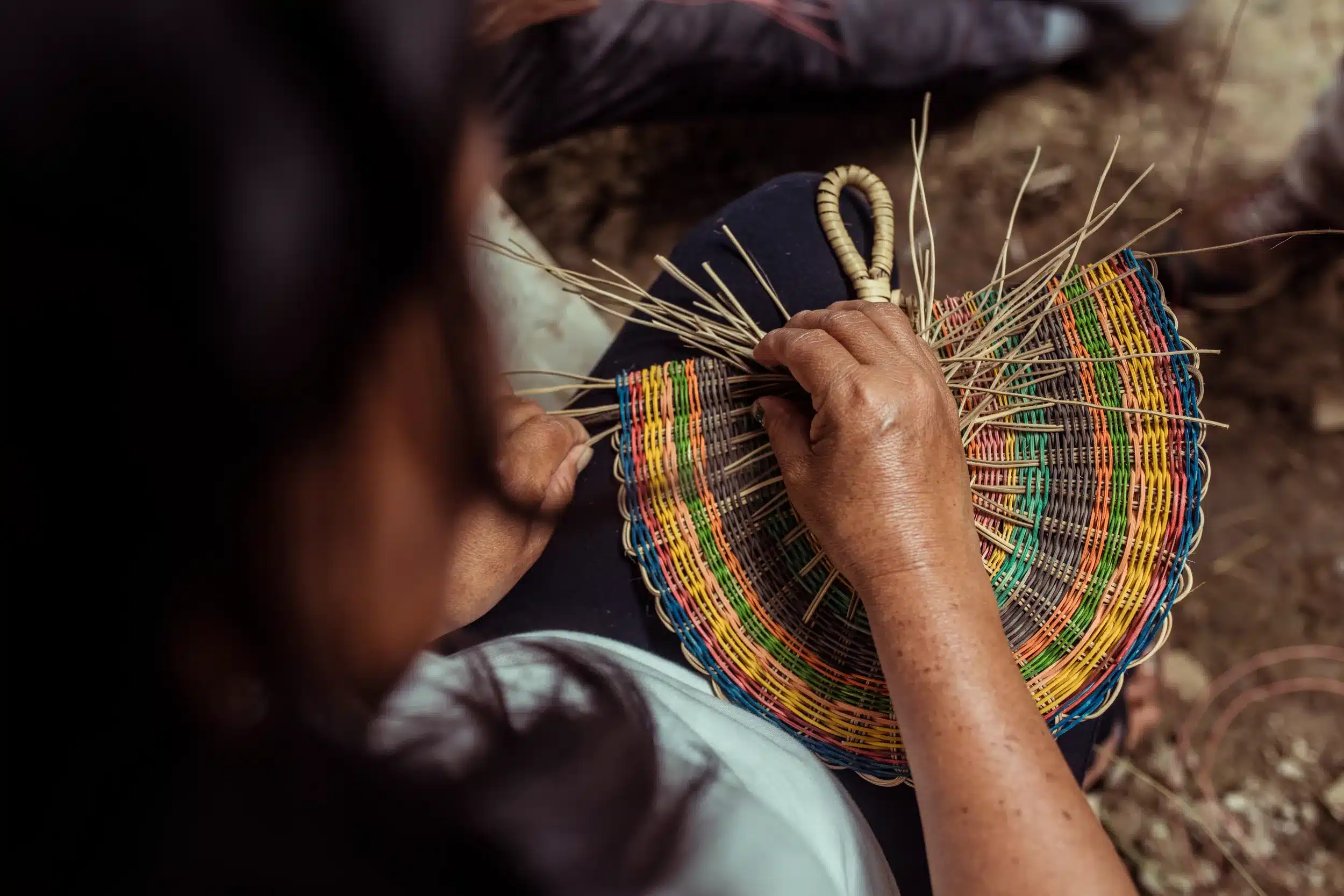
Community
Empowering Through Presence
Inkaterra’s impact reaches beyond the forest. With over 4,000 local professionals trained and economic alternatives provided to communities in fragile areas, the brand has proven that tourism can uplift and preserve — not extract or displace. Every Outpost is a space for shared growth, trust, and dignity. This commitment is rooted in a family legacy: Ernesto Rivero, uncle of founder José Koechlin, was the first to hold a land title in Madre de Dios, paving the way for sustainable stewardship of the Amazon. Inspired by this heritage, José Koechlin founded Inkaterra after co-producing Werner Herzog’s classics Aguirre: The Wrath of God (1972) and Fitzcarraldo (1982), to promote Peru’s natural landscapes through cinema and, ultimately, conservation-driven hospitality.
Knowledge
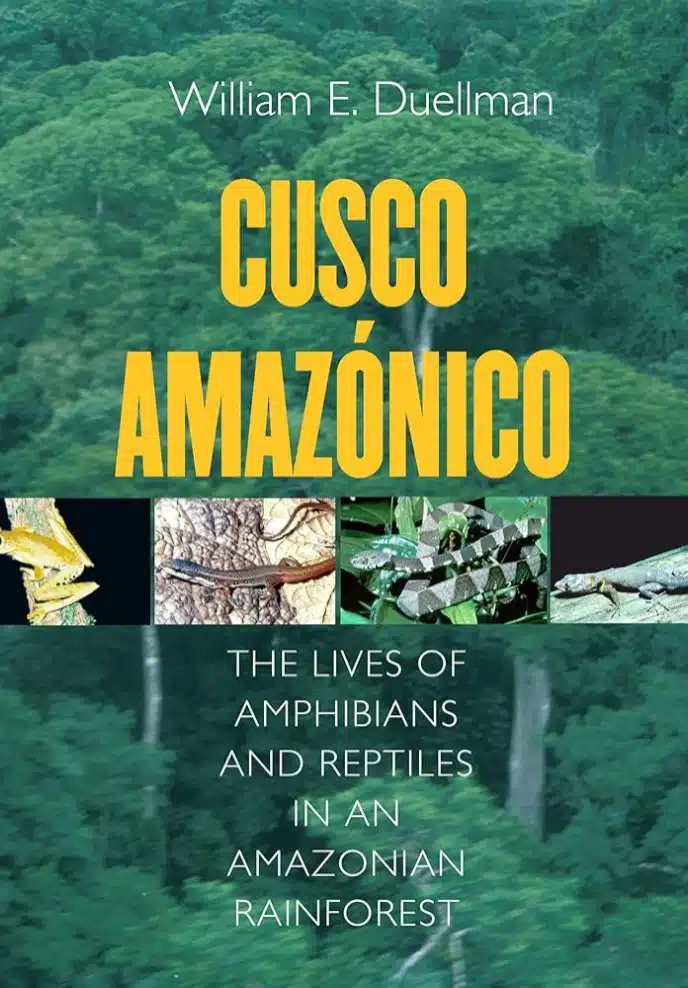
In collaboration with institutions like the Smithsonian, Missouri Botanical Garden, and Cornell University, Inkaterra has published landmark works on Peruvian biodiversity. From scientific field guides to titles like Cusco Amazónico (Cornell University Press, 2005) and Machu Picchu: Orchid Symphony (Inkaterra), these editions turn decades of research into accessible tools for education, awareness, and preservation.

Five decades ago, Inkaterra was the first to establish outposts – refuges for adventurous, compassionate spirits in harmony with their surroundings in the most remote areas of Peru. With a unique blend of science and hospitality, we laid foundations and built roads that led to both conservation and community. In those early days, the concept wasn’t called Outpost – it was simply the way to do things. We integrated ancestral and traditional knowledge of construction and used local materials and techniques from native communities, both because of their inherent wisdom, but also to preserve their methods in the future.
Today, as the pressures of modern expansion reach deeper into the wild, Inkaterra stays true to its guiding principle: to go further while doing it gently and protecting through presence. Outpost is not a new project of ours — it is our essence. It is who we’ve always been and how we’ve always done things.
And it is how we will build the future.
With careful planning and profound respect.
Amazing facts
10,124 hectares
of biodiversity-rich forest preserved.
By establishing a legal and sustainable presence in these areas through ecotourism.
29 species
New to science, discovered through Inkaterra’s research in the Amazon and cloud forest.
4000+ locals trained
Empowered through education, guiding, conservation, and sustainable trade programs.
180,000 tons of CO₂
Mitigated through reforestation and sustainable land management initiatives.